Cleaning Up PFAS: Why the UK Needs Stronger Drinking Water Standards
APRIL 10, 2026
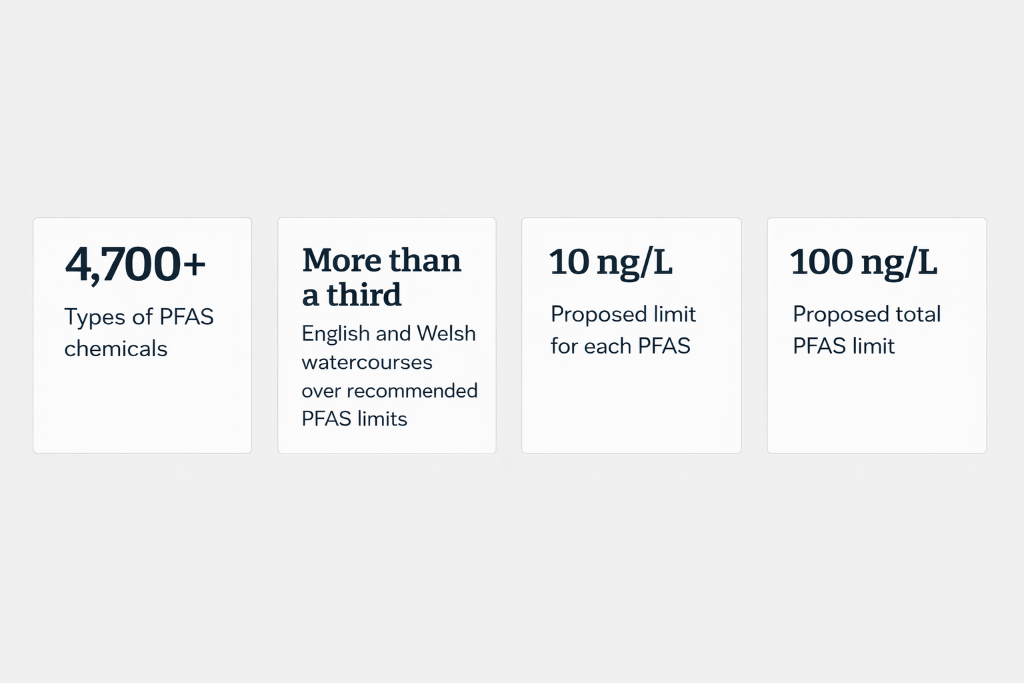
Concerns about "forever chemicals," known scientifically as PFAS (per- and polyfluoroalkyl substances), are growing as evidence continues to highlight their persistence in the environment and potential risks to human health. The Royal Society of Chemistry has recently called on the UK government to strengthen limits on PFAS in drinking water, warning that current regulations may not be sufficient to protect public health.
PFAS are a large group of synthetic chemicals widely used in products such as non-stick cookware, waterproof clothing, food packaging, and firefighting foams. Their chemical structure makes them highly resistant to heat, water, and oil, which is why they have been so valuable across many industries. However, this same stability also means they break down extremely slowly in the environment, allowing them to accumulate in water, soil, wildlife, and the human body.
The Scale of UK Contamination
Monitoring studies suggest that a significant proportion of watercourses in England and Wales contain detectable levels of PFAS, with some locations exceeding recommended thresholds. Certain compounds, such as PFOS and PFOA, have been associated with potential health concerns including immune system effects, hormone disruption, fertility issues, and increased risk of some cancers.
The #CleanUpPFAS Campaign
In response, the Royal Society of Chemistry has launched the #CleanUpPFAS campaign, advocating for stricter standards in UK drinking water. The organisation recommends reducing the allowable concentration of individual PFAS chemicals and introducing a tighter overall limit for the combined presence of these substances.
International Standards Are Moving Faster
Other regions have already begun moving toward stricter regulation. Both the United States and the European Union have proposed or implemented significantly lower limits for PFAS in drinking water, highlighting a growing international push to address contamination from these persistent chemicals.
Balancing Regulation and Innovation
While PFAS continue to play an important role in certain industrial and technological applications, scientists argue that stronger regulation, improved monitoring, and more effective treatment technologies will be essential to reduce environmental contamination and safeguard public health.
The Path Forward
As awareness of PFAS contamination grows, collaboration between researchers, regulators, industry, and water utilities will be critical to finding practical solutions to manage these chemicals responsibly.
TAGS